Best OBD2 Scanner for Checking MOT Readiness in the UK
What to look for in an OBD2 scanner for MOT readiness in the UK: warning-lamp scanning, live data and I/M readiness explained, plus how the CarPal fits.
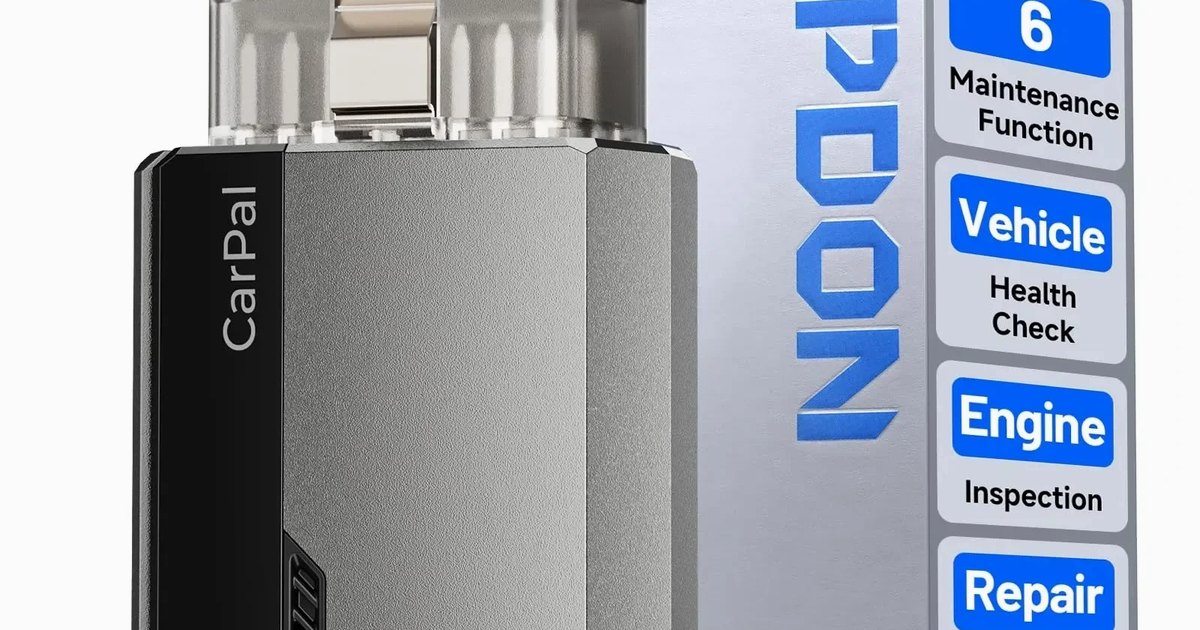
The best OBD2 scanner for checking MOT readiness in the UK is one that reads and clears fault codes, scans every module for warning-lamp faults, shows live data and displays I/M readiness — all on a car you have confirmed it supports. The TOPDON CarPal covers these functions on compatible vehicles from your phone.
What “MOT readiness” really means in the UK
It helps to be precise, because a lot of scanner marketing borrows American “smog check” language that does not map onto the British test. During a UK MOT the tester checks that specific dashboard warning lamps behave correctly and that the car passes the exhaust and, for diesels, the visible-smoke checks. GOV.UK’s own list of parts checked at an MOT confirms the malfunction indicator lamps for the engine, airbags, ABS, ESC, electronic parking brake, brake fluid, power steering and — on cars first used from 1 January 2012 — the tyre pressure monitoring system are all inspected.
So “readiness” for most drivers means two practical things: no warning lamp is illuminated to indicate a fault, and the emissions systems are actually working. A good scanner helps you confirm both before you hand over the keys, rather than discovering a problem on test day.
The features that actually matter before an MOT
Ignore the spec-sheet noise and focus on what changes the outcome of a test:
- Full-system scanning, not just engine codes. A £15 reader often only sees the engine module. Because the MOT checks airbag, ABS, ESC, EPB and TPMS lamps too, you want a tool that can read those systems where the vehicle supports it.
- Read and clear DTCs with the evidence preserved. You need to see the exact code and its status, and ideally save freeze-frame data, before deciding what to do.
- Live data. Watching coolant temperature, oxygen-sensor activity and fuel trims tells you whether an emissions-related fault is developing.
- An I/M readiness view. This shows whether the car’s own emissions self-tests have completed — genuinely useful after you have cleared a code or disconnected the battery. If you want the detail, see our guide to how to check I/M readiness before an MOT.
- Confirmed compatibility. Generic EOBD covers petrol cars from 2001 and diesels from 2004 for engine and emissions data, but deeper module access varies by make, model and year. Check the tool works on your car first.
Where the TOPDON CarPal fits
The TOPDON CarPal is a Bluetooth 5.0 dongle that pairs with a free iOS or Android app, priced at £98.75 when checked in July 2026. On compatible vehicles it reads and clears fault codes across supported systems — engine, transmission, ABS, SRS, ESP, TPMS and more — and includes a vehicle health check, live data with graphs, a battery voltage test and an I/M readiness function.
That combination covers the pre-MOT jobs most owners actually need: confirm no warning lamp is being triggered by a stored fault, check the emissions monitors have run, and read live data if something looks marginal. Coverage of individual modules and any service functions depends on your exact make, model, year and onboard software, so treat “all-system” as “all supported systems”. Warranty and price can change, so check the current terms on the product page before buying.
How to use a scanner before your MOT
- Confirm the tool supports your car, then plug it into the OBD2 port (usually in the driver’s footwell) with the ignition off.
- Switch the ignition on and connect the app over Bluetooth.
- Run a full-system scan and read every stored and pending code — do not clear anything yet.
- Note which warning lamps are lit and whether the codes explain them.
- If you clear a code after a repair, drive a normal mix of roads so the emissions monitors can complete, then re-scan and check readiness.
What a scanner cannot do
A scanner is a preparation aid, not a shortcut. It will not perform or pass the MOT for you, and clearing a warning lamp without fixing the underlying fault simply invites the code — and the lamp — to return, which the tester will see. Safety-critical faults involving brakes, steering, airbags or charging should always be checked by a qualified technician. Used sensibly, though, a capable Bluetooth scanner turns MOT day from a gamble into a checked, informed appointment.
Matching the tool to your car and budget
Price is not the deciding factor; fit is. A pricier scanner that does not properly support your make is worse value than a modest one that does. Before buying, check the tool’s coverage for your exact make, model and year, confirm it can read and clear the systems the MOT checks, and make sure the app runs on a phone you actually own. For most owners the sweet spot is a full-system Bluetooth tool in the sub-£100 bracket that covers engine, ABS, SRS and TPMS on their car, shows live data and displays readiness — rather than a bare code reader or an expensive professional unit built for a busy workshop. It is also worth checking whether software updates are included or charged for, and confirming the current warranty terms, since these vary and change over time. Weighed on that basis, the best OBD2 scanner for checking MOT readiness in the UK is simply the most capable tool that is confirmed to work on your vehicle and your phone, at a price that reflects home rather than professional use. Buy for compatibility first, features second, and price third.
Frequently asked questions
Does an incomplete readiness monitor fail a UK MOT?
Current GOV.UK guidance does not list an incomplete OBD readiness monitor as a standalone MOT failure the way some US smog tests do. The tester checks warning lamps and exhaust emissions. Readiness data is still worth checking so you know the car’s self-tests have run after any repair.
Can a cheap scanner check MOT readiness?
A basic reader can show engine codes and sometimes readiness status, but it may miss airbag, ABS and TPMS faults that the MOT also checks. A full-system tool gives a more complete pre-test picture.
Will clearing codes guarantee a pass?
No. If the fault is still present, the lamp returns and the emissions systems may still be faulty. Fix the cause first, then verify with a re-scan.