Is a Cheap OBD2 Scanner Worth It?
Is a cheap OBD2 scanner worth it? For basic engine codes, yes; for full-system checks, spend a little more. Here's what budget tools do and don't deliver.
Is a cheap OBD2 scanner worth it? For reading and clearing basic engine codes, yes — even a sub-£30 reader can save a garage diagnostic fee. But cheap readers often only see the engine module, so for full-system checks, live data and service functions, spending a little more delivers far greater value.
What “cheap” gets you
At the budget end, a basic code reader does the fundamentals: it reads and clears engine (powertrain) fault codes and often shows readiness status. For a driver who just wants to know why the engine light is on, that alone can be worth it, because a garage will typically charge a diagnostic fee to plug in a similar tool. So the first answer to is a cheap OBD2 scanner worth it is: for basic engine-code reading, it can pay for itself quickly.
The catch is scope. Many cheap readers only talk to the engine module, missing ABS, airbag, transmission and other systems, and offering little or no live data.
Where cheap falls short
The limitations of the cheapest tools matter more than people expect:
- Engine-only coverage. They may miss the airbag, ABS and other faults that also matter — and that the MOT checks as warning lamps.
- Little live data. Basic readers show codes but not the real-time sensor data where real diagnosis happens.
- No service functions. Oil resets, EPB service mode, TPMS and throttle relearns are usually absent.
- Small screens and clunky interfaces at the very bottom of the market.
For anyone doing their own servicing or checking used cars thoroughly, these gaps are exactly where the value lies.
The sweet spot
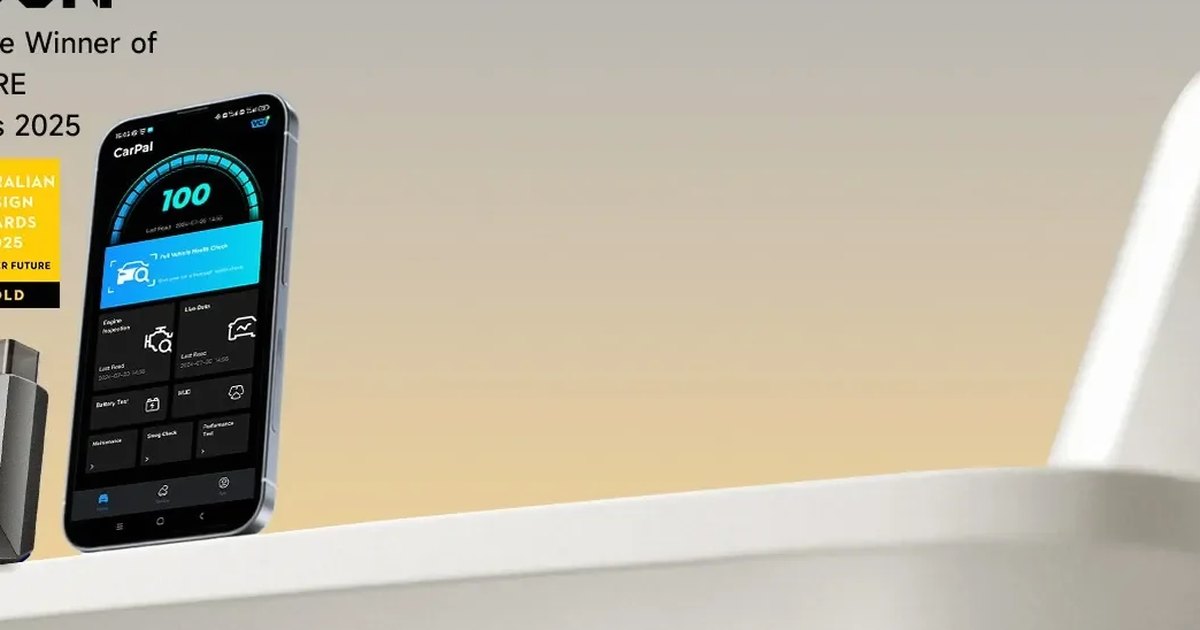
The best value for most owners sits a step above rock-bottom: a full-system tool, often a Bluetooth dongle paired with a good app, in roughly the sub-£100 bracket. This gives all-system coverage, live-data graphs and service functions for a price that still pays for itself against garage fees. A Bluetooth tool such as the TOPDON CarPal sits here at around £98.75 (checked July 2026), delivering multi-system diagnostics, live data, a battery test and six service resets on supported cars. Our guide on what you get with a £100 OBD2 scanner breaks down that tier.
Match the tool to your needs
The right spend depends on what you will do:
- Just want to read the engine light occasionally? A cheap reader is genuinely worth it.
- Do your own servicing or repairs? Step up to a full-system tool with live data and resets.
- Check used cars, or run several cars? A full-system Bluetooth tool earns its keep across vehicles.
- Work on cars professionally? You may need higher-end, make-specific coverage beyond the consumer tiers.
Buying below your needs means re-buying later; buying far above them wastes money on features you will not use.
Beware the false economy
The classic false economy is a very cheap reader that cannot see the fault you actually need — the airbag or ABS code, say — sending you to a garage anyway. Another is a no-name tool with a poor app or no updates. Reading a couple of reviews and checking coverage for your make avoids both. The goal is not the cheapest possible tool, but the cheapest tool that actually does what you need on your car.
The value maths
Set the cost against what you save. UK garage diagnostic checks commonly run into the tens of pounds each time, so even a modest scanner pays for itself in one or two uses — and a full-system tool that lets you avoid unnecessary trips, verify repairs and check used cars before buying saves far more over its life. Viewed that way, the question is less “is a cheap OBD2 scanner worth it” and more “which scanner pays for itself fastest for how I drive and maintain my cars”.
A quick rule of thumb
If you want a simple rule, buy the cheapest tool that covers every system you will realistically need on your car — and no cheaper. For someone who only ever wants to know why the engine light is on, that genuinely can be a budget reader, and it will pay for itself the first time it saves a diagnostic fee. For anyone who services their own car, checks used cars, or wants to see ABS and airbag faults as well as the engine, the rule points at a full-system tool, because a cheaper one would send you to a garage for exactly the faults you bought a scanner to read. The trap to avoid is buying purely on headline price and discovering the tool cannot see the fault that matters, which turns a “bargain” into a wasted purchase plus a garage bill. Spending a little more to match the tool to your actual needs is almost always cheaper in the long run than buying twice. In short: cheap is worth it when your needs are basic, and a false economy when they are not.
Frequently asked questions
Is a sub-£30 OBD2 reader any good?
For reading and clearing basic engine codes, yes — it can save a garage diagnostic fee. But it often only sees the engine module and lacks live data and service functions, so it is limited for deeper work.
How much should I spend on an OBD2 scanner?
Match it to your needs. Occasional engine-light checks suit a cheap reader; DIY servicing, used-car checks or running several cars justify a full-system tool, often a Bluetooth dongle in the sub-£100 range.
Do cheap scanners read ABS and airbag faults?
Often not. Many budget readers only access the engine module. If you need ABS, airbag or other system codes — which also matter for the MOT — choose a full-system tool.